
Introduction
I used to think baby toys were just colorful noise-makers so parents can drink tea while it’s still warm. Then I watched a six-month-old stare at a crinkly cloth book like it was Netflix. That’s when it clicked. Baby toys aren’t about playing the way adults think. They’re more like tools. Soft blocks, rattles, textured balls — all of them quietly train the brain. A weird little stat I read somewhere said babies can process textures before they fully understand shapes, which explains why they lick everything first. Honestly, if adults learned like that, office meetings would look very different.
The noisy, flashy toys babies love
Let’s be honest, baby toys are loud for no reason. One press and suddenly there’s a remix of animal sounds at full volume. But babies love repetition. That annoying jingle you hear 40 times a day? That’s how memory builds. It’s kind of like how adults rewatch the same reel on Instagram even when nothing new happens. Social media parents complain about battery-operated toys all the time, yet those toys keep babies engaged longer than silent wooden ones. I still mute them when I can, though. No shame.
Soft toys, teething toys, and why everything goes straight into the mouth
If a toy doesn’t survive being chewed, it’s basically useless. Babies explore with their mouths first, hands later. Teething toys especially are lifesavers during that drool-heavy phase. Silicone toys, fabric dolls, rubber rings — they all calm sore gums and give sensory feedback. Lesser-known thing: textured teething toys also help with early speech muscles. So yeah, that banana-shaped chew toy might actually help with future words. Funny how something that looks so silly does real work behind the scenes.
Educational baby toys that don’t feel like education
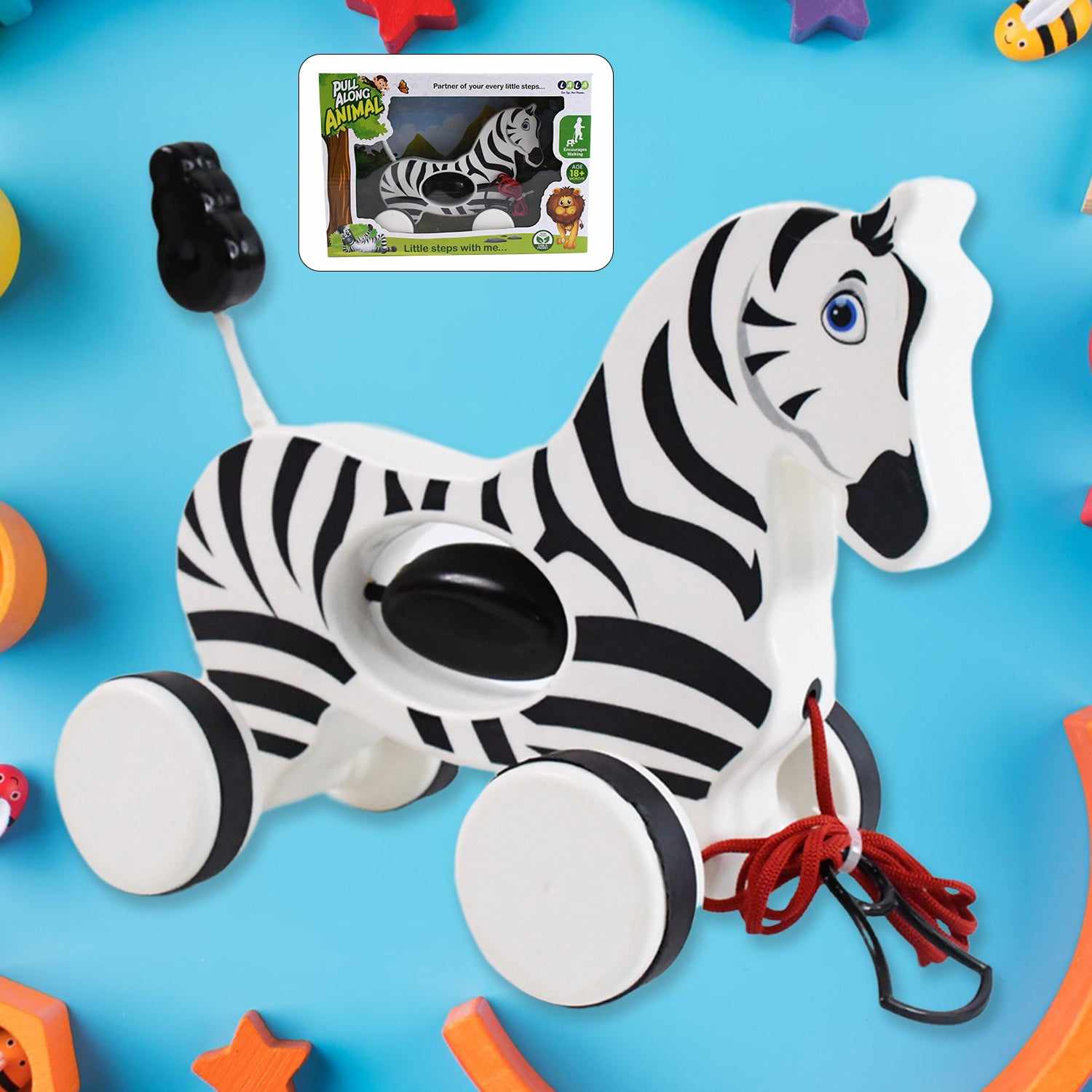
Stacking rings, shape sorters, activity boards — these toys teach problem-solving without looking serious. Babies don’t know they’re learning hand-eye coordination. They just know the blue block won’t fit in the star hole, and that’s frustrating in a very real way. It reminds me of trying to understand taxes the first time. The struggle matters. Studies often say babies learn better when toys allow mistakes, not instant success. So if your baby looks annoyed, congrats — learning is happening.
The minimalist toy trend vs reality at home
Instagram loves wooden toys in neutral colors. Beige everything. Looks great in photos, not always in real life. Babies usually prefer contrast — bright reds, yellows, bold patterns. High-contrast toys are especially good for newborn vision, which starts out pretty blurry. I once bought an aesthetic toy set and the baby ignored it completely, choosing a plastic spoon instead. That humbles you fast. Sometimes the best baby toys are accidental.
Conclusion
More toys don’t mean more fun. Babies get overwhelmed too, just like adults scrolling endlessly. Rotating toys works better than dumping everything on the floor. One week it’s stacking cups, next week soft books. This keeps curiosity alive. Parents online talk about this a lot — fewer toys, more engagement. And less cleanup, which honestly matters just as much. Baby toys should support development, not turn your living room into a toy battlefield.

Write a comment ...